

If you have made intentions to perform Umrah, you probably have one main question: what is Umrah actually about? In Islam, the literal umrah meaning is “to visit.” It’s a sacred act of worship in Islam and a spiritual journey to the holy city of Makkah in Saudi Arabia.
It is a chance to leave the noise behind and stand inside Masjid al-Haram. You are there to strip away your ego, pray at the Holy Mosque, and reconnect with what really matters. While Hajj is a duty you must do once if you can, Umrah is a choice. It is a voluntary walk of faith that millions of people take every year to find peace and ask Allah for forgiveness. If you are planning your journey, connecting with a trusted hajj and umrah travel agency can help you every step of the way.
Want to dive more into it? Let’s go through history:
The Sacred History Behind the Umrah Pilgrimage
You might be curious about the history of Umrah, when it starts, why, and who did the first tawaf. It is the question of almost every pilgrim. So, the roots of this pilgrimage go back to the earliest days of faith. However, it is closely linked to the lives of the Prophets and the foundation of worship in Islam.
Moreover, this journey follows a path shaped by patience, sacrifice, and trust in Allah. Every single step you take during Umrah mirrors a moment from our history. These aren’t just random movements, but they carry a massive spiritual weight. When you understand this truly, your Umrah experience will be more meaningful.
Prophet Ibrahim and the Building of the Kaaba
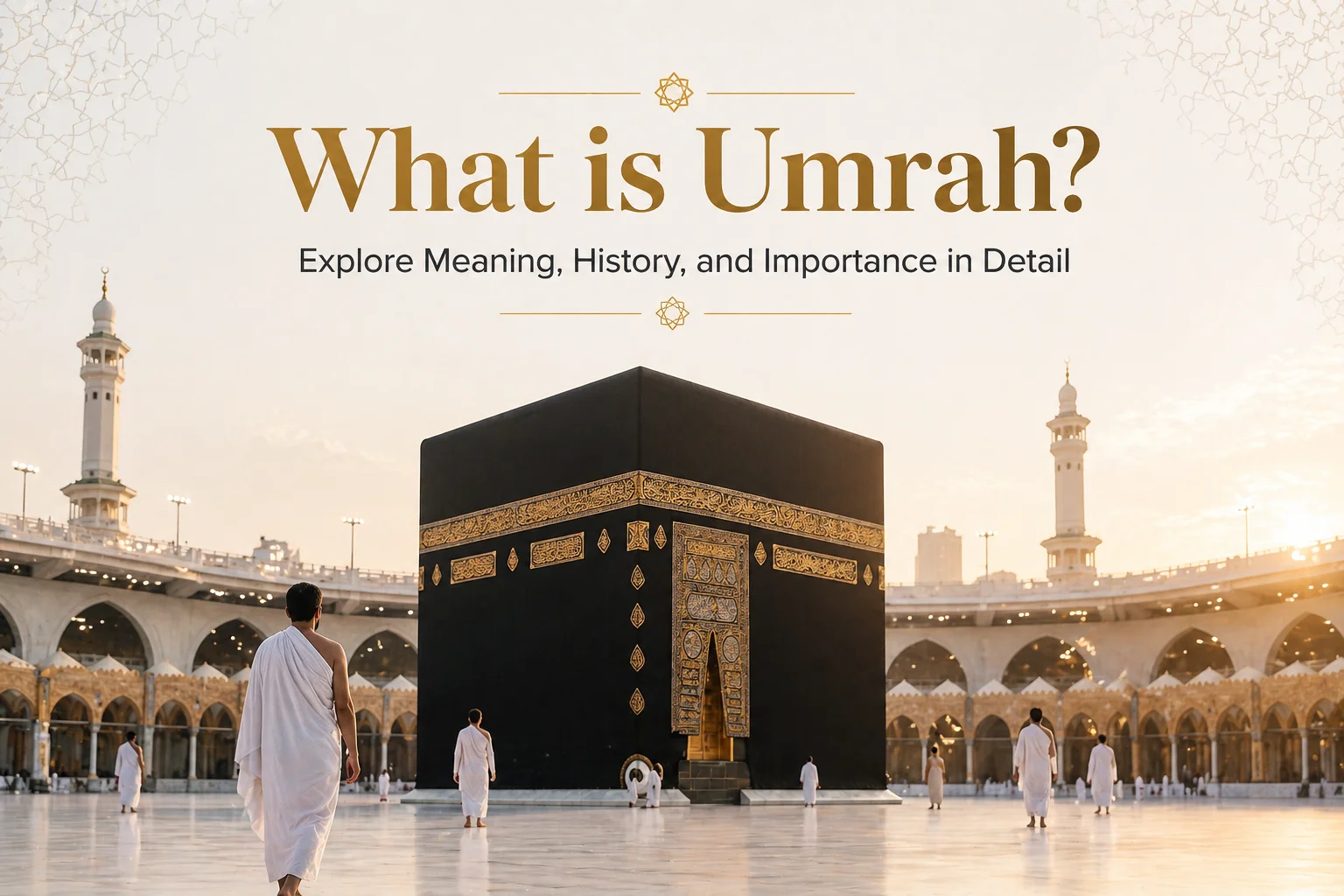
When did the Kaaba come into being? Many people ask this. It begins with the Prophet Ibrahim, whom Allah commanded to build the Kaaba with His son, the Prophet Ismail (A.S). And then this sacred structure became the centre of worship for Muslims.
The Kaaba is not simply a building, but it represents unity. No matter where Muslims live, they all turn towards it in prayer. Another important part of the journey comes from Hajar (may Allah be pleased with her). And Her search for water between Safa and Marwa showed complete trust in Allah. In response, Allah blessed her with the well of Zamzam, which still flows today.
However, these moments are remembered through the rituals performed during the pilgrimage.
Who performed the first tawaf of the Kaaba?
The question of who performed the first Tawaf of the Kaaba goes back to very early, sacred history. In Islamic understanding, the first to circle the Kaaba in worship were the angels. Before human beings were created, Allah commanded the angels to worship around a heavenly house known as Al-Bayt al-Ma’mur, and this act is reflected on earth through the Kaaba.
However, among humans, Prophet Adam (peace be upon him) is believed to be the first to perform Tawaf of the Kaaba after it was established on earth. Later, Prophet Ibrahim (peace be upon him) and his son Ismail (peace be upon him) rebuilt the Kaaba by Allah’s command, and from that time, the act of Tawaf became a clear and continued form of worship for mankind.
When Was the First Islamic Umrah Performed?
The first Umrah in Islam was performed by Prophet Muhammad (peace be upon him). After years of hardship, He and His companions were finally allowed to enter Makkah peacefully. This was a moment of relief, faith, and fulfilment. It showed that patience and trust in Allah always bring reward. Since that time, Muslims from all over the world have followed this same path with devotion and hope.
Why Umrah Remains a Key Practice in Islam
Umrah continues to offer a direct and personal way to reconnect with Allah. Umrah also follows the Sunnah of Prophet Muhammad (peace be upon him), which adds to its importance. However, it is a chance to revive that connection and follow his example in a meaningful way.
Even though it is not obligatory like Hajj, Muslims value it deeply for its spiritual impact. Meanwhile, it provides an opportunity to step away from daily distractions and focus entirely on worship, reflection, and sincere repentance.
This pilgrimage reminds believers of humility and equality. Every person stands before Allah in a simple state, without status or worldly pride. However, it strengthens faith, softens the heart, and brings a sense of peace that is difficult to find elsewhere.
Importance of Umrah in Islam (Qur’anic verses & Hadiths)
What is umrah? Let’s make our beliefs stronger through the Quran. And also, through the teachings of the Prophet Muhammad (peace be upon him). It’s an act of worship that brings a believer closer to Allah and also gives you a chance to seek forgiveness, mercy, and spiritual renewal.
Allah says in the Quran:
“And complete the Hajj and Umrah for Allah.” (Surah Al-Baqarah 2:196). However, this verse clearly shows that Umrah is a recognised and honoured act of worship, performed sincerely for the sake of Allah alone.
In addition, in another place, Allah reminds believers:
“Indeed, the first House established for mankind was that at Makkah – blessed and a guidance for the worlds.” (Surah Aal-e-Imran 3:96).
This highlights the importance of the Kaaba, the centre of Umrah, as a place filled with blessings and guidance.
The Prophet Muhammad (peace be upon him) said:
“The performance of Umrah is an expiation for the sins committed between it and the previous one.” (Bukhari & Muslim)
However, this Hadith explains the powerful spiritual benefit of Umrah. It cleanses sins and gives a believer a fresh start. Together, these teachings show that understanding what is umrah is not only about knowing the rituals. But it also recognises its deep spiritual rewards and its place in Islam as a means of purification and closeness to Allah.
What is the difference between Hajj & Umrah?
Hajj and Umrah are actually quite different. Hajj is a pillar of Islam. It is a “must-do” duty for any Muslim who is healthy and has the money. You can only do it during specific days in the month of Dhul-Hijjah. But Umrah is different, it’s a choice whenever you want to perform. You can go whenever you want, any month of the year.
The scale is also different. Hajj takes about five or six days and has a lot of moving parts. Umrah is much shorter; you can finish all the rituals in just a few hours. While Hajj is a mandatory obligation, Umrah is a voluntary way to refresh your faith and ask for forgiveness.
Both journeys are life-changing, but they don’t carry the same weight. If you’re stuck on which one to plan for, a good umrah travel agency can help you figure out the logistics and timing that works for you.
What are the Umrah Rituals?
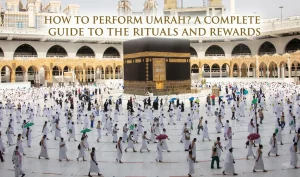
If you want to know what Umrah actually involves, you have to look at the four specific steps that make the journey complete. It starts at the Miqat, where you enter Ihram. This isn’t just about putting on the white cloth; it’s a mental shift into a state of total purity and focus. Once you’re inside the Holy Mosque, you begin Tawaf, circling the Kaaba seven times. This is easily the most powerful moment, thousands of people moving as one, all focused on Allah.
After that, you move to Sa’i. You’ll walk seven times between the hills of Safa and Marwa to remember Hajar’s (AS) struggle and her absolute trust in Allah when she was searching for water. To finish everything off, you perform Halq or Taqsir, which is simply cutting or shaving your hair. It’s a symbol of being reborn and starting fresh.
While the rituals themselves only take a few hours, the heart you put into them is what counts. It’s also exactly why December umrah packages are good for UK families. The cooler weather makes the physical side of these rituals much easier, so you can keep your mind on your prayers instead of the heat.
Is there any specific time to perform Umrah?
Most pilgrims want to know if they have to pick a specific date for their trip. The great thing about Umrah is that, unlike Hajj, there are no fixed dates. You have the freedom to go whenever you want, all year round.
Of course, some times are much busier than others. People tend to flock to Makkah during Ramadan for the extra rewards, or in December when the UK weather is freezing but the desert is actually pleasant. Spring is another big one for families. This flexibility is a huge blessing in Islam. It means you can plan your journey whenever your schedule and heart are ready.
Why do people across the world prefer Umrah in Ramadan?
Performing umrah during Ramadan carries exceptional rewards. The Prophet Muhammad (peace be upon him) stated that umrah in Ramadan is equal in reward to Hajj (though it does not replace the obligation).
This makes Ramadan one of the most sought-after times for those exploring what is umrah. However, the spiritual atmosphere in Makkah during Ramadan is unmatched. The Masjid al-Haram fills with worshippers, prayers continue throughout the night, and the sense of unity becomes even stronger.
In addition, for UK pilgrims, umrah packages from Manchester often cater specifically to Ramadan travel, ensuring convenience and proper arrangements.
Conclusion
The journey to the House of Allah is more than a journey, but it is a profound spiritual reset. By understanding what is Umrah, you move beyond the rituals and connect with a sacred history that began with Prophet Ibrahim. Whether you are circling the Kaaba for the first time or returning to find peace in Makkah, this pilgrimage offers a rare chance to wash away sins and refocus your life.
If your intentions are clear, get an Umrah package and start your journey today. At Dar Al Eiman, we handle the logistics of your Umrah packages from the UK so you can focus entirely on your worship. Start your journey today and return with a renewed heart.
Frequently Asked Questions
What is the historical origin of Umrah?
Umrah traces back to Prophet Ibrahim (peace be upon him), who built the Kaaba with his son Ismail. The rituals were later revived and purified by Prophet Muhammad (peace be upon him).
What does Umrah symbolise in Islam?
Umrah symbolises a believer’s journey towards Allah, leaving behind worldly distractions and focusing on faith, humility, and sincere repentance.
Why is the Kaaba central to Umrah?
The Kaaba represents unity in Islam. Muslims from all over the world face it in prayer and gather around it during Umrah as a sign of devotion to one God.
What spiritual rewards are associated with Umrah?
Umrah offers forgiveness of sins, spiritual cleansing, and a chance to return closer to Allah with a renewed heart and stronger faith.
How does Umrah impact a believer’s life after returning?
Many people return with a stronger sense of purpose, improved character, and a deeper commitment to practising Islam in daily life.